Revenues for big data and analytics (BDA) commodities are projected to to reach $210 billion by 2020, according to a recent forecast from IDC. Such significant investment begs several questions. What industries are pushing this growth? What is the perceived value from more sophisticated BDA practices? Perhaps most importantly, how can businesses continue to refine and update these practices as the technology matures?
According to IDC, nearly half of that forecasted $210 billion will comprise investment from banking, discrete and process manufacturing, central government, and professional services. However, the report also noted that banking, healthcare, insurance, investment services, and telecoms are expected to grow their BDA spending most rapidly over the next three years.
Data strategies
So what are organizations gaining from this investment? According to NewVenture’s 2016 survey of “senior Fortune 1000 business and technology decision-makers”, the quest for insight remains the most-cited argument for big data spending. Businesses are looking for an edge by snagging the most relevant, helpful information, understanding it more accurately than their competition, and converting on that value with greater speed.
Interestingly, a healthy variety of data sources is widely seen as more important that volume or velocity. In NewVenture’s survey, 40% of participating firms cited a high-priority need to integrate data from new and legacy sources. Of course, this emphasis leads to additional challenges: how to make sure disparate data sources can “talk to” each other? How can businesses update their data management strategies to incorporate new sources like IoT output or social data? And in an increasingly automated data landscape, how can businesses lend structure to raw or messy data in order to facilitate hands-free machine learning projects?
The challenge: Actually using the data
Data and analytics professionals are often forced to spend too much time cleaning data, even when the real value from BDA practices lies on the other end of that pipeline — interpreting and acting on the output is where all this work is converted to better KPIs. Therefore, expect to see more investment in products and services that facilitate cleaner data and more flexible integration from varied sources.
The BDA world is growing, but it’s also becoming more accessible. By partnering with firms that address the challenges of adopting a data-driven culture, businesses can keep up with more sophisticated competitors without reinventing the wheel.




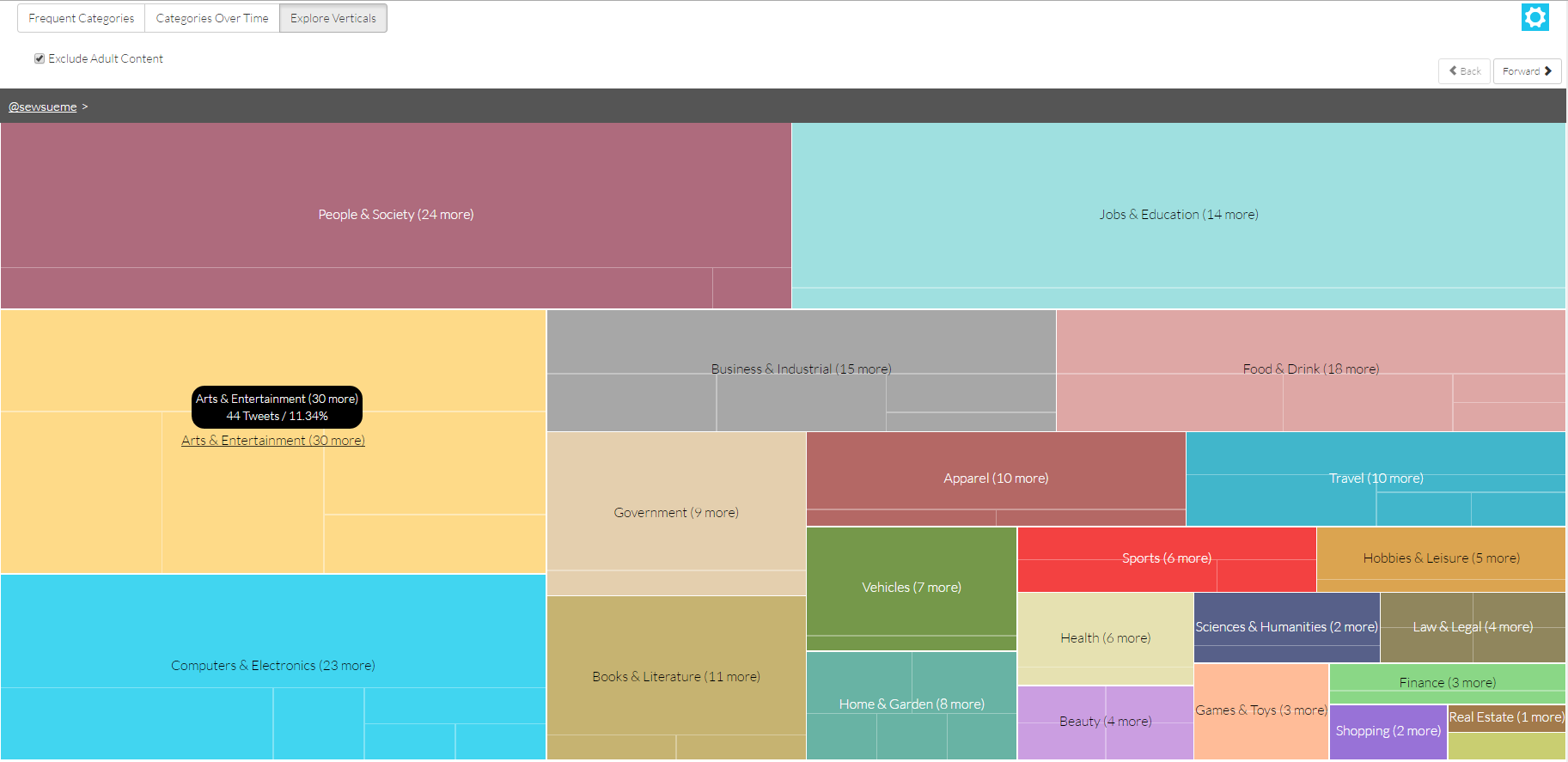
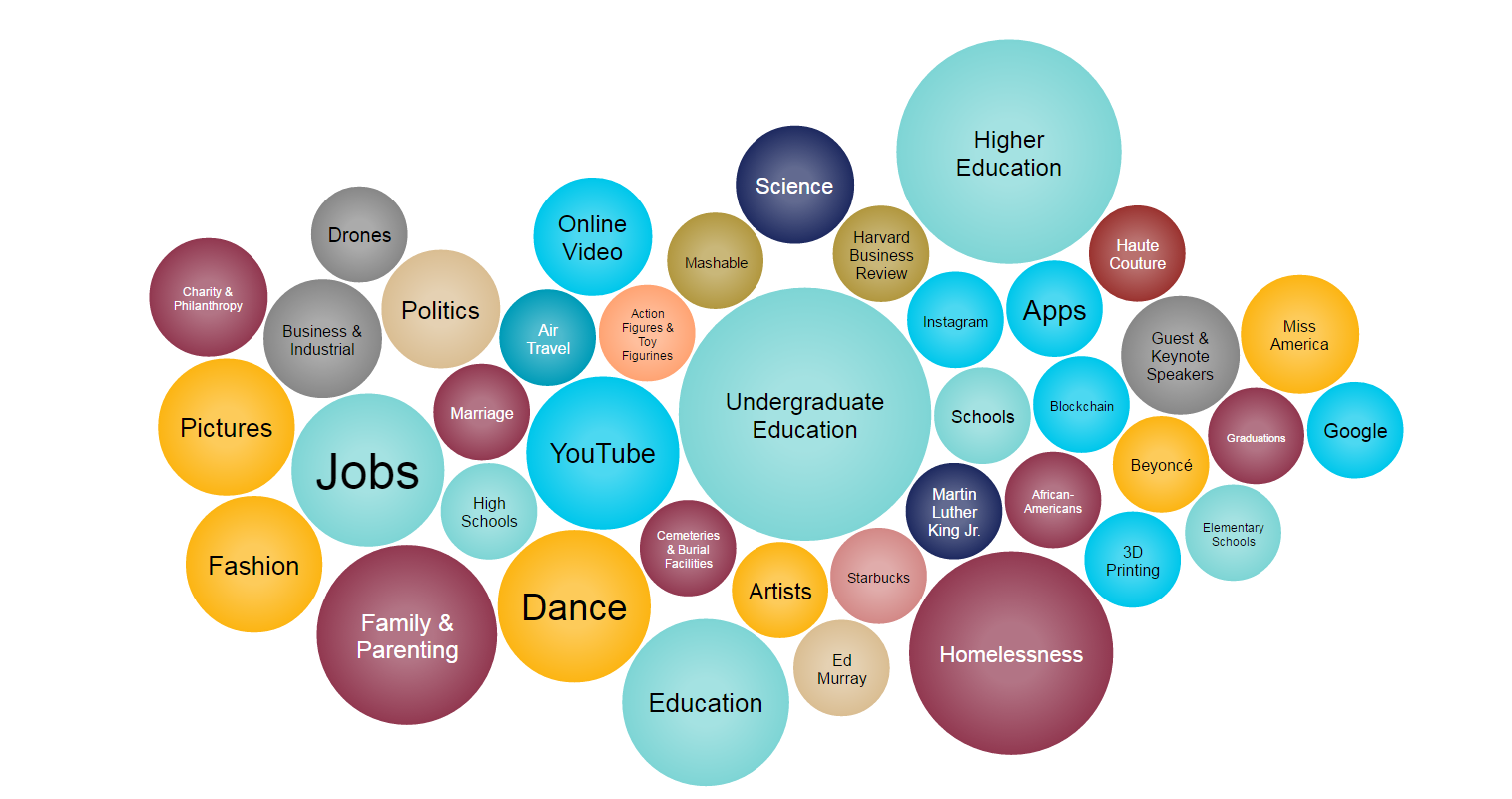 ngs you might expect – higher education, philanthropy, jobs, and keynote speakers. But you can also see a few things that just made your icebreaker a bit easier. For one thing, she cites the Harvard Business Review and Mashable with a good deal of frequency, so you can mention a recent article you read when you’re talking with her. You can also see that she’s into fashion and haute couture. By clicking on the “fashion” bubble, you can see a handful of recent Tweets that map to that topic. Now you know a bit more about this woman. She’s into business, but also technology and fashion. By clicking through more of the topic bubbles, you’ll also realize she’s got a sense of humor and loves quirky things – maybe not what you’d expect from someone who works in her serious field.